
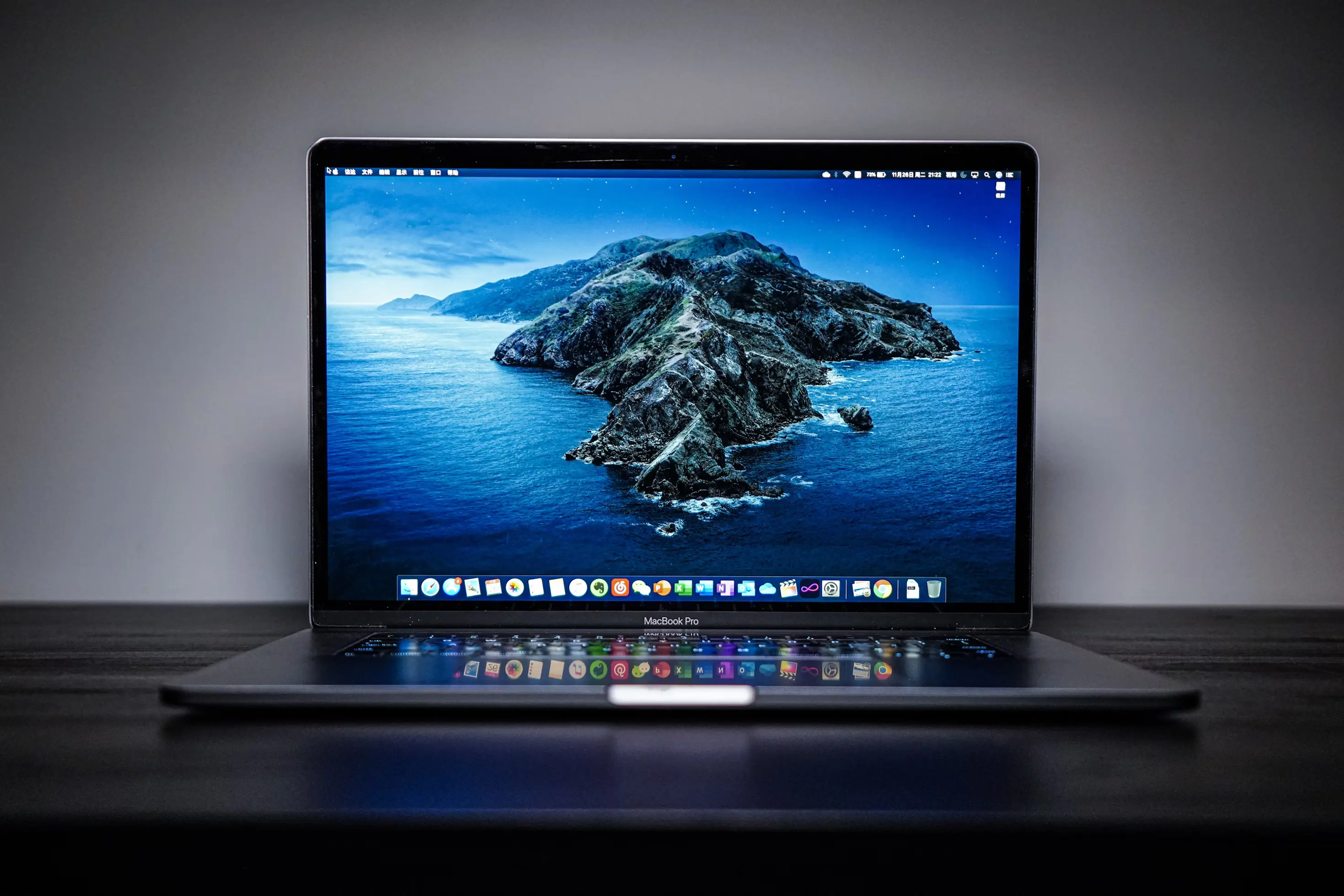
Revitalizing MacBook Pro Screens for Niagara's Creative Workforce
In the bustling creative hubs of Niagara, from Welland's design ateliers to Thorold's multimedia labs, professionals rely on MacBook Pro laptops for high-stakes visual tasks like editing and rendering. These power users face unique pressures where a damaged screen can halt workflows and jeopardize deadlines. JTG Systems, stationed at WE HAVE MOVED - PLEASE CALL!! in Welland, leverages more than two decades of specialized Apple service to deliver reliable display restorations, ensuring seamless productivity with our no-fix-no-fee promise and 90-day warranty.
Exploring MacBook Pro Screen Engineering and Diagnostic Protocols
MacBook Pro models feature advanced Retina displays built on IPS LCD technology with edge-lit backlighting and ProMotion refresh rates in select versions, optimized for color-accurate work essential to Niagara's graphic and video specialists. However, these components are susceptible to environmental stresses common in the region, such as humidity fluctuations or accidental drops during commutes.
Our troubleshooting methodology integrates Apple's Diagnostic Mode for software checks alongside physical inspections of ribbon cables and inverters, pinpointing issues from connector corrosion to backlight inconsistencies with precision tools.
Prevalent Symptoms and Weak Points in MacBook Pro Screens
- Shattered Outer Layers: Drops on Welland sidewalks often lead to fractured glass that obscures the sharp 2560x1600 resolution needed for intricate layouts.
- Unstable Luminosity Levels: Faulty inverters in 13-inch and 16-inch variants cause flickering, disrupting focus during long editing marathons in dim studios.
- Vertical Line Artifacts: Damaged flex cables from backpack strains, frequent in Thorold's outdoor shoots, create persistent streaks across the panel.
- Backlit but Non-Responsive Panels: Loose connections in 2018-2021 models, worsened by St. Catharines' damp weather, result in illuminated voids.
- Inconsistent Touch Responses: Degraded digitizer layers impair stylus accuracy for digital illustrators in local agencies.
- Distorted Color Profiles: Aging LED arrays shift True Tone calibration, affecting footage grading for Niagara filmmakers.
- Dead Pixel Clusters: Overheating from intensive apps like Final Cut Pro triggers TFT element failures in high-demand setups.
- Lagging Visual Updates: Controller chip glitches delay frame rendering, noticeable in dynamic previews.
- Light Leakage at Borders: Weakened adhesives in notch designs allow glow spillover, common after repeated lid closures.